
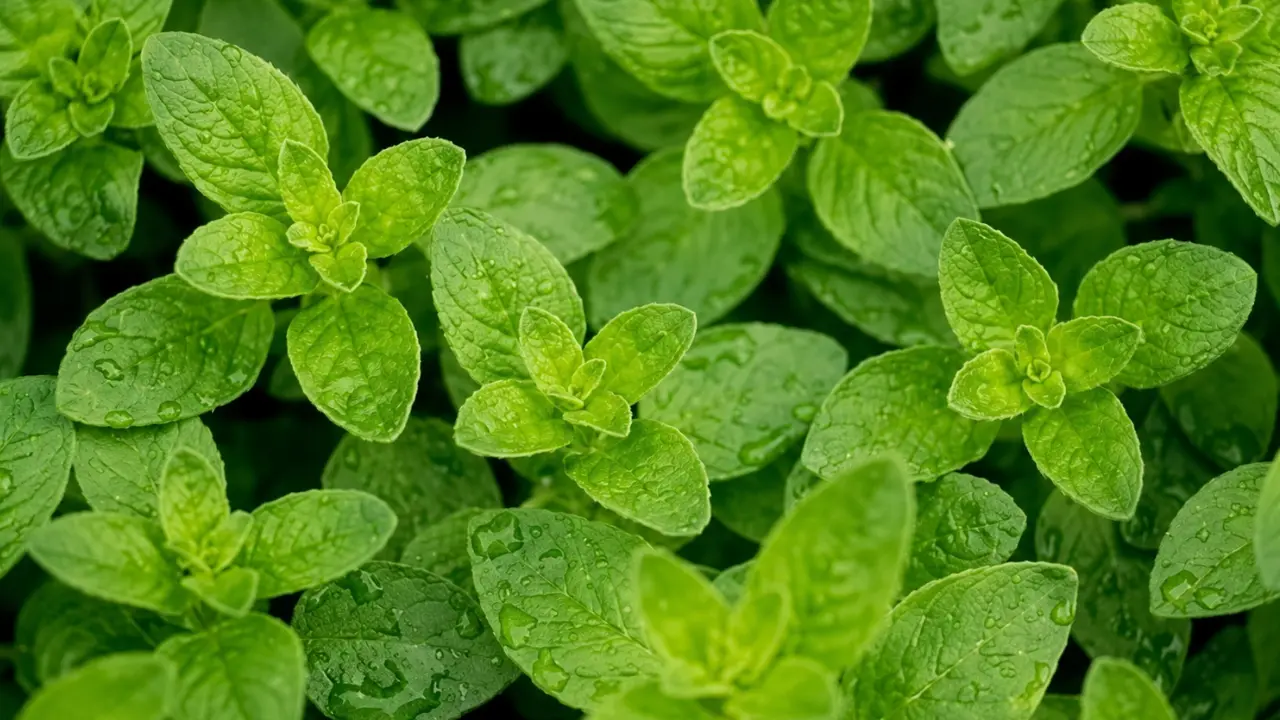
Oregano Health Benefits: Why This Humble Kitchen Herb Deserves a Spot in Your Wellness Routine
The Herb Hiding in Plain Sight
Walk into almost any kitchen and you’ll find a small jar of dried oregano tucked next to the basil and thyme. Most of us reach for it out of habit — a pinch here for pasta sauce, a sprinkle there for roasted vegetables — without giving it much thought. Yet this unassuming Mediterranean herb has quietly built a reputation among researchers and herbalists as one of the more remarkable plants in the natural health world. Understanding oregano health benefits means looking past the spice rack and into the plant’s chemistry, where two compounds do most of the heavy lifting.
This article breaks down what makes oregano worth paying attention to, how people use it beyond cooking, and what the research actually says — along with a few sensible precautions.
What Gives Oregano Its Reputation
Oregano’s standout qualities come largely from two naturally occurring compounds: carvacrol and thymol. Both belong to a class of plant chemicals called phenols, and both have been studied for their ability to interact with bacteria, fungi, and inflammatory processes in the body. Carvacrol in particular tends to make up a large share of oregano essential oil, and it’s the compound most frequently cited in laboratory studies examining the herb’s antimicrobial effects.
It’s worth noting that most of this research has happened in test tubes or animal models rather than large human trials, so oregano is best understood as a supportive, traditional remedy rather than a replacement for medical treatment. That said, the accumulated evidence is enough to explain why herbalists have leaned on this plant for centuries.
A Natural Antibacterial Ally
One of the most studied oregano health benefits is its antibacterial activity. Laboratory research has repeatedly shown that oregano oil can inhibit the growth of various bacteria, including some strains that have grown resistant to common antibiotics. This doesn’t mean oregano should replace prescribed antibiotics — it shouldn’t — but it does help explain why oregano oil shows up in natural first-aid kits and gut-health protocols.
Standing Up to Viruses
Beyond bacteria, oregano has drawn interest for its potential antiviral properties. Some studies suggest carvacrol can interfere with the way certain viruses replicate, which may be part of why oregano tea and oregano oil are popular home remedies during cold and flu season. As with the antibacterial research, these findings are promising but preliminary, and oregano works best as a complement to — not a substitute for — standard care.
Fighting Fungal Overgrowth
Candida overgrowth, athlete’s foot, and other fungal issues are another area where oregano oil has earned attention. Its antifungal action is one reason it’s frequently recommended in gut-health circles, where practitioners use it to help rebalance the microbiome after antibiotic use or digestive upset.
Calming Inflammation
Chronic inflammation sits at the root of many long-term health issues, from joint pain to cardiovascular strain. The compounds in oregano appear to help dial down inflammatory markers in the body, which is why some people incorporate oregano-infused oils or teas into routines aimed at managing arthritis discomfort or general immune support.
An Antioxidant Powerhouse
Gram for gram, oregano ranks among the more antioxidant-dense herbs available. Antioxidants help neutralize free radicals — unstable molecules that can damage cells over time and contribute to aging and disease. Adding oregano to meals is a simple, low-effort way to boost the antioxidant content of a dish without changing much about how you cook.
Everyday Health Benefits Worth Knowing
Beyond the specific mechanisms above, people turn to oregano for a handful of practical wellness goals:
- Digestive comfort. Oregano oil is sometimes used to support a healthier gut microbiome, particularly for those dealing with bloating or minor digestive imbalances.
- Immune support. Its combined antibacterial and antiviral properties make it a go-to herb during periods when immune defenses need a boost.
- Respiratory relief. Many people brew oregano tea when dealing with a stuffy nose or chest congestion, using its aromatic compounds to help clear airways.
- Skin care. Diluted oregano oil is occasionally used topically to address minor blemishes or irritated skin, thanks to its antibacterial and anti-inflammatory qualities.
Practical Ways to Bring Oregano Into Your Routine
You don’t need a cabinet full of supplements to benefit from this herb — oregano is remarkably easy to work into daily life.
In the Kitchen
Fresh oregano leaves add a peppery, slightly bitter note to tomato-based sauces, grilled meats, and roasted vegetables. Dried oregano, which is actually more concentrated in flavor and active compounds than the fresh version, works well in marinades, salad dressings, and slow-cooked dishes. A general rule of thumb: if a recipe calls for fresh herbs, use about three times the amount compared to dried, since drying concentrates the flavor.
Dandelion Tea: From Garden Weed to Wellness Wonder and Culinary Delight
As a Tea
Steeping a teaspoon of dried oregano leaves in hot water for eight to ten minutes creates a warm, earthy tea that many people drink at the first sign of a cold. Adding a bit of honey and lemon can make it more palatable while adding their own soothing properties.
Oils and Supplements
Oregano oil capsules and tinctures are widely available for those who want a more concentrated dose without the strong taste. Essential oil versions are far more potent and should always be diluted with a carrier oil, such as olive or coconut oil, before any topical use.
DIY Remedies
A simple homemade blend — a few drops of oregano essential oil mixed into a carrier oil — can serve as a natural spot treatment for minor skin irritations or as an aromatic addition to a diffuser during cold season.
A Few Words of Caution
Powerful doesn’t mean risk-free. Oregano oil, in particular, is highly concentrated and can irritate skin or the digestive tract if used undiluted or in excess. A few sensible guidelines:
- Never apply undiluted essential oil directly to skin.
- Pregnant or nursing individuals should check with a healthcare provider before using oregano supplements or oils, as high doses haven’t been well studied in these groups.
- Anyone taking blood-thinning medication or diabetes medication should talk to a doctor first, since oregano may interact with these drugs.
- Culinary use in food is generally considered safe for most people; it’s concentrated supplements and oils that require more caution.
Final Thoughts
It’s easy to overlook a plant that’s been sitting in the spice rack all along, but oregano’s combination of antibacterial, antiviral, antifungal, anti-inflammatory, and antioxidant properties makes a strong case for why this herb has stuck around in kitchens and medicine cabinets across generations. Whether you’re stirring it into a pot of marinara or steeping it as tea on a sniffly evening, oregano offers a low-cost, easy way to support everyday wellness — as part of a balanced approach that includes, rather than replaces, sound medical advice.
1. What makes oregano different from other culinary herbs?
Oregano contains unusually high concentrations of carvacrol and thymol, two compounds linked to antibacterial, antifungal, and antioxidant effects that aren’t as pronounced in many other common cooking herbs.
2. Is oregano oil the same as the dried oregano I use for cooking?
No. Oregano oil, especially essential oil, is a highly concentrated extract meant for diluted topical or supplemental use, while dried culinary oregano is meant for cooking and is far less concentrated.
3. Can oregano actually help fight a cold?
Some research suggests carvacrol may have antiviral properties, which is part of why oregano tea is a popular home remedy during cold season, though it should be seen as supportive care rather than a cure.
4. Is it safe to take oregano oil every day?
Occasional use is generally considered safe for most healthy adults, but daily long-term use of concentrated oregano oil supplements should be discussed with a healthcare provider, especially for anyone on medication.
5. How should I store oregano to keep its benefits intact?
Dried oregano keeps its potency best in an airtight container away from direct light and heat, while fresh oregano should be refrigerated and used within a week or two for the best flavor and benefit.